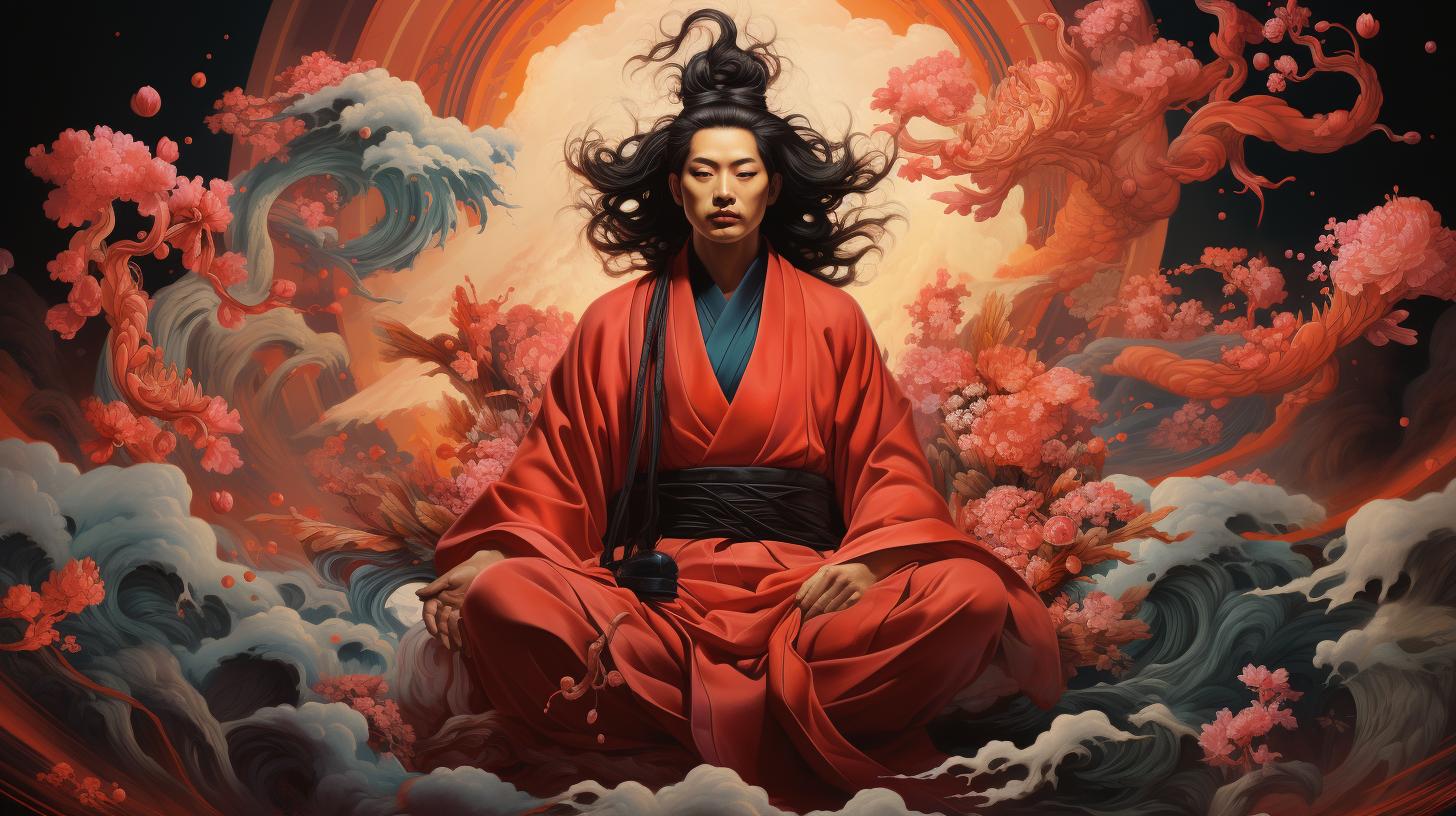
Exploring the Mysteries of Korean Mythology & Supernatural Lore
Korean mythology and supernatural lore form a rich tapestry of ancient stories, beliefs, and legends that have shaped the cultural and spiritual identity of the Korean peninsula through millennia. Rooted deeply in shamanistic traditions, Confucian values, and Buddhist influences, these myths and tales go beyond mere folklore — they reflect the human relationship with the natural world, the divine, and the boundary between life and death. In this exploration, we delve into the origins and nature of Korea’s pantheon of gods and spirits, the unique role of shamanism, the symbolism found in legendary creatures, the significance of ancestral worship, and the enduring impact these stories have on Korean culture today. Understanding this mythological and supernatural framework illuminates how ancient wisdom continues to inspire modern narratives and rituals.
The Divine Pantheon: Gods and Creation Myths
At the heart of Korean mythology lies the idea of a cosmic order maintained by a diverse pantheon of gods and divine beings. Stories such as the Cheonjiwang Bonpuri recount the creation of heaven and earth, highlighting Cheonjiwang (the Heavenly King) as a central figure who, along with his consort, establishes the world’s natural order. These myths often emphasize balance—between chaos and order, good and evil, life and death—and explain earthly phenomena through interactions of divine ancestors. Spiritual beings are not distant figures; they actively shape human fate and the environment, reinforcing a worldview where the sacred and mundane are intertwined. Moreover, the portrayal of these gods manifests regional variations, which echo Korea’s complex historical exchanges with neighboring cultures.
Shamanism: The Bridge Between Worlds
Shamanism remains a vital aspect of Korean supernatural lore, providing a living connection between mortals and spirits. Korean shamans, known as mudang, serve as intermediaries who communicate with gods, ancestors, and nature spirits through rituals called gut. These ceremonies are designed to cure illnesses, bring blessings, or exorcise malevolent spirits, emphasizing the belief that spiritual imbalance causes misfortune. Unlike many other religious figures, mudang are often women, a distinctive feature that underscores the female spiritual authority embedded in Korean tradition. Shamanistic practices incorporate music, dance, and vivid costumes to create immersive spiritual experiences, preserving ancient stories and cosmologies in performative practice.
Legendary Creatures and Their Symbolism
Korean folklore abounds with supernatural creatures embodying human fears, hopes, and moral lessons. The dokkaebi (goblins), for example, are mischievous beings with supernatural powers who can both trick and protect humans. They represent the duality of nature—sometimes threatening, sometimes benevolent—challenging humans to navigate their surroundings with wisdom and respect. Other creatures such as the gwisin (restless ghosts) reflect the consequences of unresolved grievances or improper burial rites, speaking to the deep ancestral reverence in Korean society. These entities not only populate ghost stories and fables but also serve as metaphors for social order, justice, and the consequences of human behavior.
Ancestor Worship and the Spiritual Continuum
In Korean supernatural belief, ancestors occupy an essential and enduring role in the living world. Ancestral rites, known as jesa, reaffirm familial bonds and ensure harmony between the physical and spiritual realms. This practice embodies the principle of continuity, where life and death are part of a larger ongoing cycle. Ancestors are thought to possess powers to bless or curse their descendants based on their conduct, making moral behavior a communal responsibility across generations. This spiritual continuum influences not only family structures but also societal values, embedding a respect for heritage and the unseen forces that govern human affairs.
Mythology and Modern Korea: Enduring Influence
Contemporary Korean culture retains vibrant threads of its mythological and supernatural heritage, visible in literature, cinema, and popular media. Modern reinterpretations of ancient tales examine timeless human concerns—identity, morality, mortality—through a renewed lens. Folk festivals and shamanistic rituals continue to be celebrated, serving both as cultural preservation and spiritual practice. Furthermore, Korean mythology inspires a symbolic language in art and architecture that connects past and present. This enduring influence suggests that these ancient myths and supernatural beliefs are not just relics but dynamic components of a living culture, continuously evolving yet rooted in profound ancestral wisdom.
The exploration of Korean mythology and supernatural lore reveals a sophisticated worldview where gods, spirits, and humans coexist within a delicate balance. The divine pantheon provides structure and explanation for the cosmos, while shamanism acts as an active conduit for communication and healing. Mythical creatures embody societal values and natural forces, and ancestral worship reinforces intergenerational bonds that sustain spiritual harmony. Together, these elements underscore the ways in which Korea’s supernatural heritage transcends myth to shape identity, morality, and cultural continuity. By appreciating these stories and beliefs, we gain insight into the profound ways humans relate to the unseen world and the enduring power of mythology in shaping both ancient and modern Korean life.