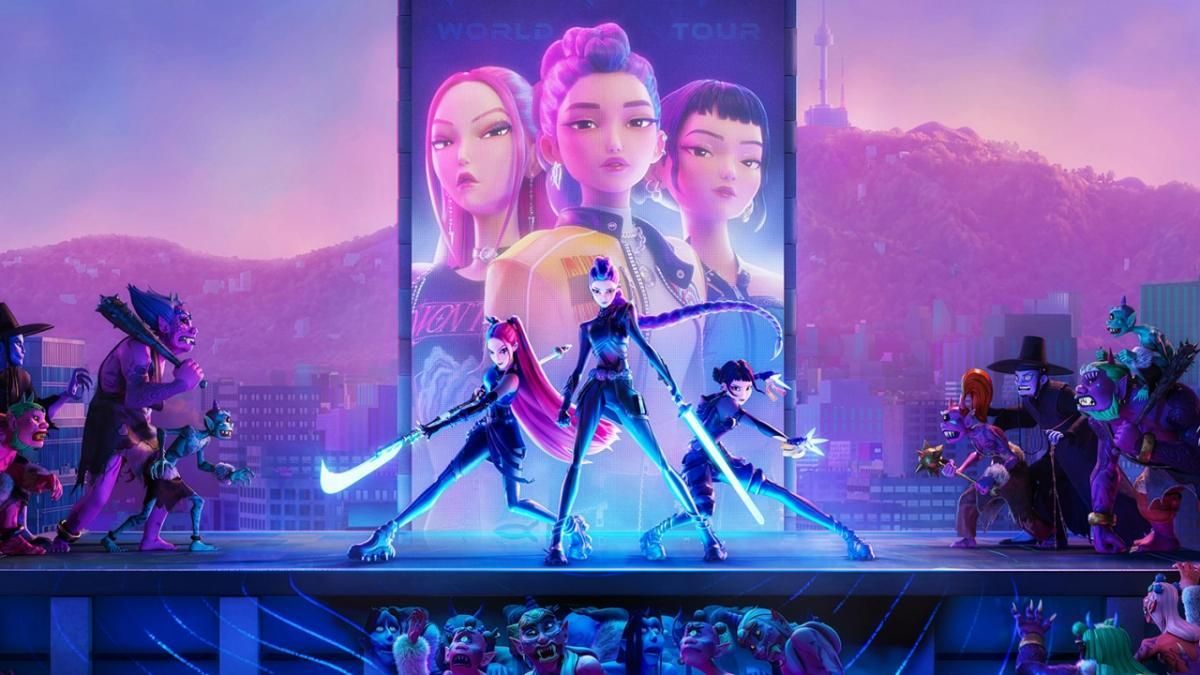
Unveiling the Korean KPop Demon Hunters Craze
The dynamism of KPop continues to expand, weaving its way through unexpected pop culture phenomena. One intriguing and rapidly growing trend is the rise of Korean KPop demon hunters—a unique fusion of music, storytelling, and mythology that captivates fans nationwide and internationally. This craze blends the high-energy allure of KPop idols with supernatural narratives centered on demon hunting, combining visually stunning choreography, fashion, and cutting-edge audiovisual effects with deep-rooted folklore and fantasy elements. This emerging genre not only reinvents how fans engage with KPop but also taps into Korea’s rich cultural heritage, creating multi-layered entertainment experiences. In this article, we will explore the origins, artistic elements, fan culture, media influence, and broader societal impact of this captivating phenomenon.
The Origins and Evolution of the Demon Hunter Theme in KPop
The demon hunter motif in KPop did not emerge overnight but evolved through a blending of traditional Korean folklore and modern pop culture. Historically, Korean tales about supernatural beings and demon hunters have long been a part of cultural storytelling, often symbolizing the eternal battle between good and evil. These themes were initially sporadic references in music videos or stage costumes but gained prominence with the 2020s surge in storytelling-driven KPop groups. Artists began integrating complex narratives into their albums and performances, portraying themselves as mystical warriors fighting dark forces. This evolution mirrors a shift in KPop towards more expansive world-building—akin to cinematic universes—allowing fans to immerse themselves in a layered mythos that deepens their connection with the idols and their music.
Artistic Expression: Visuals, Music, and Performance
The demon hunter craze manifests vividly through visually arresting aesthetics, genre-blending music, and dynamic performances. Costume design plays a critical role, featuring leather, armor-inspired outfits, and symbolic motifs that evoke a fierce yet mystical persona. Musically, the soundscapes combine intense beats, traditional instruments, and ethereal tones to build an atmosphere of suspense and heroism. Performance choreography often mimics battle movements, weaving narrative-driven gestures into synchronized dance. Music videos and stage setups utilize advanced special effects, such as CGI demons and supernatural environments, enhancing the fantasy experience. This harmonious mixture of artistic elements creates a powerful sensory experience that distinguishes demon hunter-themed KPop from typical idol performances, making it a standout trend.
Fan Culture and Community Dynamics
The KPop demon hunter craze has sparked vibrant fan engagement, with communities actively contributing to the storytelling ecosystem. Fans don’t merely consume content—they create fan art, write fanfiction, and organize online and offline events centered on the demon hunter lore. This participation fosters a shared mythology that evolves beyond official releases, making fans co-creators in the narrative universe. Moreover, fan cosplay often replicates idol costumes with incredible detail, blurring lines between fandom and performance. These dynamics enhance social bonds among fans and generate a sense of belonging within the subculture. The communal aspect also fuels the craze’s sustainability and global reach, driving continuous interest and creative output.
Media Influence and Cross-Media Expansion
Media platforms have played a pivotal role in amplifying the demon hunter craze by facilitating diverse content formats. Streaming services, social media, and gaming apps host interactive experiences related to the demon hunter narratives, from webtoons and animated shorts to mobile games where fans can join virtual hunts. This cross-media expansion transforms the craze into a multifaceted franchise, appealing to a broader audience beyond traditional KPop fans. Moreover, collaborations with animation studios and graphic novel publishers allow the demon hunter storylines to be fleshed out in accessible formats, fueling curiosity and engagement. The media synergy highlights how contemporary KPop phenomena leverage transmedia storytelling to create immersive and sustained fan involvement.
Broader Cultural Impact and Future Prospects
The Korean KPop demon hunter craze exemplifies how pop culture can serve as a conduit for cultural preservation and innovation. By intertwining folklore with modern entertainment, it introduces younger generations to Korea’s mythological heritage in a relatable context. Additionally, this trend reflects a broader appetite for narratives blending fantasy with real-world themes such as courage, identity, and morality. As the craze continues to grow, it opens pathways for more experimental approaches in KPop and Korean media at large, potentially influencing other genres and international markets. The future holds intriguing possibilities, from global collaborations to expanded multimedia storytelling, ensuring the demon hunter craze remains a vibrant and evolving cultural force.
In reviewing the rise of Korean KPop demon hunters, it becomes clear that this phenomenon is much more than a passing fad. Its roots in traditional folklore combined with innovative artistic expression have created a compelling storytelling framework that deeply resonates with fans. The phenomenon thrives on rich visual and musical artistry, passionate and participatory fan culture, and strategic cross-media storytelling that extends its reach. Furthermore, it champions cultural heritage while pushing creative boundaries within the global entertainment landscape. As it matures, the Korean KPop demon hunter craze not only enriches the KPop genre but also exemplifies the power of myth and music to forge new cultural narratives and communities across the world.