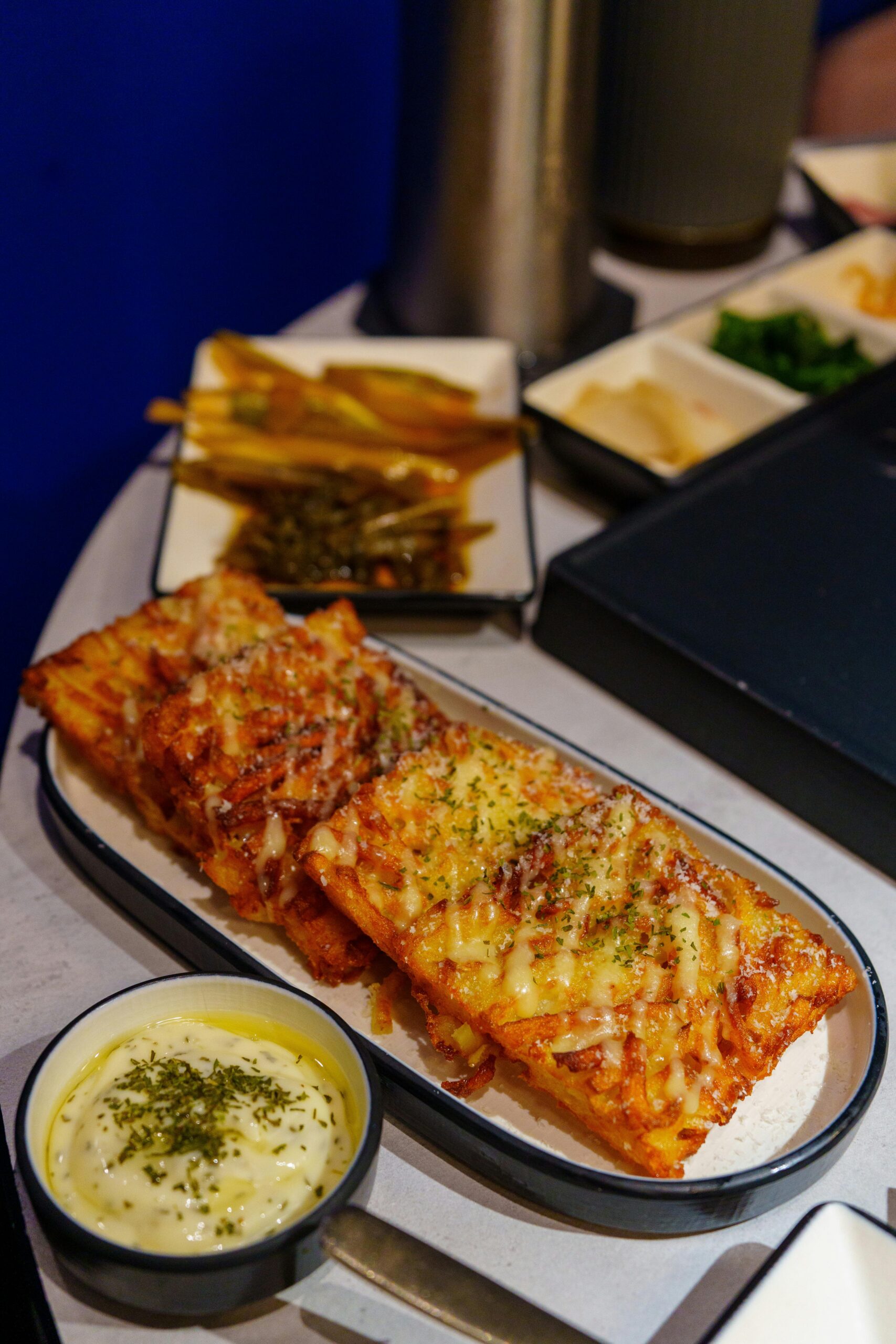
Introduction to Tornado Potatoes: A Spiraled Delight
Tornado Potatoes, known in Korean as Hweori Gamja, have captured the hearts of street food enthusiasts around the world with their uniquely spiral-cut shape and irresistible crunch. Originating in South Korea, this inventive twist on the traditional potato transforms a simple snack into an eye-catching and flavorful experience. The preparation involves skewering a whole potato and slicing it into a continuous spiral, then deep-frying until golden and crispy. This snack is often seasoned with a variety of spices, from cheese to chili powder, enhancing its appeal. In this article, we will delve into the origins of Tornado Potatoes, explore the meticulous preparation process, discuss the diverse flavor variations, highlight its rising global popularity, and examine its cultural significance within Korean street food traditions.
The Origins and Cultural Roots of Hweori Gamja
Tornado Potatoes emerged from the vibrant street food culture of South Korea, where food innovation is a way of life. Unlike many traditional Korean dishes rooted in centuries of history, Hweori Gamja is a recent addition that sprang up around the early 2010s. It originated from a fascination with visually engaging foods that complement the bustling atmosphere of street vendors. The name itself, Hweori Gamja, translates roughly to “spinning potato,” which reflects the preparation technique. Despite being modern, this snack integrates Korea’s love for fries and fried foods, reimagining the humble potato with a playful presentation. Its success lies in marrying traditional flavor profiles with a novel format that captures curiosity and appetite alike, making it a staple of Korean markets and festivals.
The Art of Preparing Tornado Potatoes
Crafting Tornado Potatoes is both a technical and artistic endeavor. The first step requires selecting a firm, medium-sized potato capable of holding shape during the spiral cutting. Using a specialized cutter mounted on a skewer, the potato is carefully sliced into a continuous spiral thread without breaking apart, ensuring even cooking. It is then carefully stretched along the skewer to create an increased surface area that promotes crispiness once fried. The deep-frying stage is crucial; the potato must reach a perfect balance of golden brown color and crunchy texture on the outside while maintaining a tender interior. Post-frying, the potatoes are immediately tossed in seasoning powders or sauces to infuse an extra layer of flavor before serving. This technique highlights precision, patience, and culinary creativity.
Flavor Profiles and Popular Seasonings
One of the key attractions of Tornado Potatoes is their versatility in flavoring. The base fried potato offers a neutral canvas that easily adapts to a wide range of seasonings, making it a customizable street food favorite. Some popular flavors include:
- Cheese Powder: A tangy, creamy dusting that complements the crispiness, popular among children and adults alike.
- Spicy Chili: Typically a blend of chili powder, cayenne, and sometimes powdered garlic, which adds heat and depth reminiscent of Korean spicy snacks.
- Sweet and Sour Glaze: A sticky coating that balances sweetness with tanginess, often enhanced with hints of soy sauce or vinegar.
- Herb and Garlic: A savory option using dried herbs and garlic powder to appeal to those preferring less intense heat.
The availability of diverse seasonings means vendors can cater to different tastes, boosting the snack’s broad appeal and repeat consumption.
Global Expansion and Street Food Culture
In recent years, Tornado Potatoes have transcended South Korean borders, popping up in street markets across Asia, North America, and even parts of Europe. Their visual spectacle, combined with an enjoyable eating experience, fits perfectly into the global trend for Instagrammable and shareable street food. Typically sold by vendors in bustling public spaces, food festivals, and night markets, they exemplify the fusion of cultural curiosity and culinary innovation. Moreover, their portable and cost-effective nature makes them ideal for casual snacking. The spread of Hweori Gamja underscores how street foods can evolve from local favorites into international phenomena while preserving their cultural identity.
Hweori Gamja’s Place in Korean Culinary Tradition
While Tornado Potatoes may seem like a mere novelty, their rise reflects broader trends within Korean food culture, where innovation and tradition coexist. Korean cuisine is well known for valuing texture, flavor layering, and artistic food presentation, all of which Hweori Gamja embodies. This snack also serves as an example of how Korean street foods embrace accessibility and sociability, bringing people together in communal eating environments. Furthermore, the adaptability of flavors allows it to bridge generational and cultural gaps, appealing to native Koreans and global visitors alike. In essence, Tornado Potatoes highlight the dynamic evolution of Korean gastronomy through playful reinvention grounded in cultural pride.
In summary, Tornado Potatoes or Hweori Gamja represent much more than a simple fried snack; they epitomize a creative fusion of tradition and modern street food innovation. From their Korean roots and meticulous spiral cutting technique to the rich variety of seasonings and ongoing global popularity, these spiraled potatoes are a testament to food’s power to delight and connect across cultures. Their success is a vivid reminder that sometimes, elevating a humble ingredient like the potato through inventive preparation and flavoring can spark a worldwide food sensation, reflecting evolving tastes and the joy of shared culinary experiences.