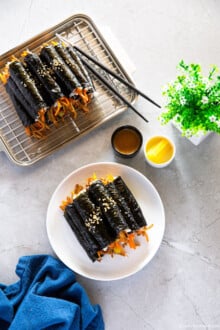
Discovering the Allure of Mayak Gimbap
In the vast world of Korean cuisine, Mayak Gimbap stands out as a uniquely addictive treat that has captured the hearts and taste buds of many. Unlike traditional gimbap, this “addictive” variation offers a distinctive combination of flavors and textures that make it incredibly irresistible. From its origin story to the nuanced ingredients and preparation methods, Mayak Gimbap presents more than just food; it’s a culinary experience that evokes nostalgia, satisfaction, and curiosity. This article will explore the origins, ingredients, preparation, cultural significance, and reasons behind the irresistible nature of Mayak Gimbap, painting a full picture of why it has become a beloved staple for Koreans and food enthusiasts worldwide.
The Origin and Meaning Behind Mayak Gimbap
Mayak Gimbap, which directly translates to “narcotic gimbap,” earned its peculiar name due to how addictive it is perceived to be by those who taste it. Although the term “mayak” literally means “drug” or “narcotic” in Korean, the name highlights the crave-worthy nature of the dish rather than any harmful effects. It emerged in the 1960s and became popular in convenience stores and street food stalls, especially in the Seoul area. This type of gimbap diverges from the larger, meal-sized rolls and instead comes in bite-sized, easy-to-eat pieces, enhancing its appeal as a snack or side dish. The simplicity of its composition and the explosion of flavors inside make it easy to understand why it quickly gained fans.
Ingredients Creating the Perfect Balance
One of the key factors behind Mayak Gimbap’s addictive nature is the carefully selected ingredients that strike a delicate balance between subtlety and flavor complexity. The rolls typically contain only a few simple ingredients: seasoned rice, thin strips of yellow pickled radish (danmuji), and slivers of slivered carrots or spinach, wrapped in dried seaweed (gim). The rice is seasoned just right with a touch of vinegar and sugar to give it the characteristic slightly sweet and tangy taste. What makes Mayak Gimbap truly stand out is the dipping sauce—a soy sauce-based dip infused with garlic, sesame oil, and sometimes a hint of spice—that elevates each bite into a savory delight.
The Art of Preparation: Crafting Bite-Sized Perfection
Making Mayak Gimbap involves a careful balance of technique and precision. Unlike other gimbap variants filled with many ingredients, the minimalist filling requires the rice to be perfectly cooked and seasoned for enhanced flavor. The rice must be sticky enough to hold the roll together without being overly wet or mushy. The rolls are then sliced into small, bite-sized pieces, enhancing their accessibility and snack appeal. The finishing touch is the dipping sauce which is handcrafted, mixing soy sauce, minced garlic, toasted sesame seeds, sugar, and sesame oil in just the right proportions to complement but not overpower the mild rice rolls. The preparation method reflects a respect for simplicity and flavor harmony, which is at the heart of Mayak Gimbap’s charm.
Cultural Significance and Popularity in Korean Society
Mayak Gimbap has grown beyond just a snack; it represents a part of Korean street food culture and social experience. It’s often enjoyed at markets, convenience stores, and local eateries where friends gather, fostering a communal spirit. Its popularity is also tied to the nostalgic memories of youth and the casual, easygoing vibes of Korean street food culture. Furthermore, Mayak Gimbap’s relatively inexpensive cost and compact size make it an accessible comfort food for students, workers, and people on the go. The dish also showcases the Korean value of minimalism in food preparation—using simple ingredients to create a surprisingly addictive result.
Why Mayak Gimbap Leaves You Wanting More
The addictive quality of Mayak Gimbap goes beyond just its clever nickname; it lies in the perfect marriage of textures, flavors, and sensory satisfaction. The chewiness of the seaweed, the softness of the rice, the crisp bite of pickled radish, and the umami-packed dipping sauce come together to engage multiple taste receptors simultaneously. Additionally, the portion size encourages continuous eating without overwhelming the palate, creating a “just one more piece” effect. This combination of physical sensations and the psychological reward from the subtle sweetness and saltiness makes the dish a memorable and repeatable experience, cementing its place as a must-try Korean food classic.
In essence, Mayak Gimbap exemplifies how simplicity in ingredients and thoughtful preparation can create an enormously satisfying culinary experience. From its intriguing name and origins to the skillful crafting of each bite-sized roll, it embodies much of what makes Korean cuisine beloved worldwide. Whether enjoyed as a snack or part of a meal, its unique combination of flavors and textures invites food lovers to indulge repeatedly. As a cultural icon and a staple of street food culture, Mayak Gimbap shows that the most irresistible dishes often come from humble beginnings and a deep respect for balance and flavor harmony.