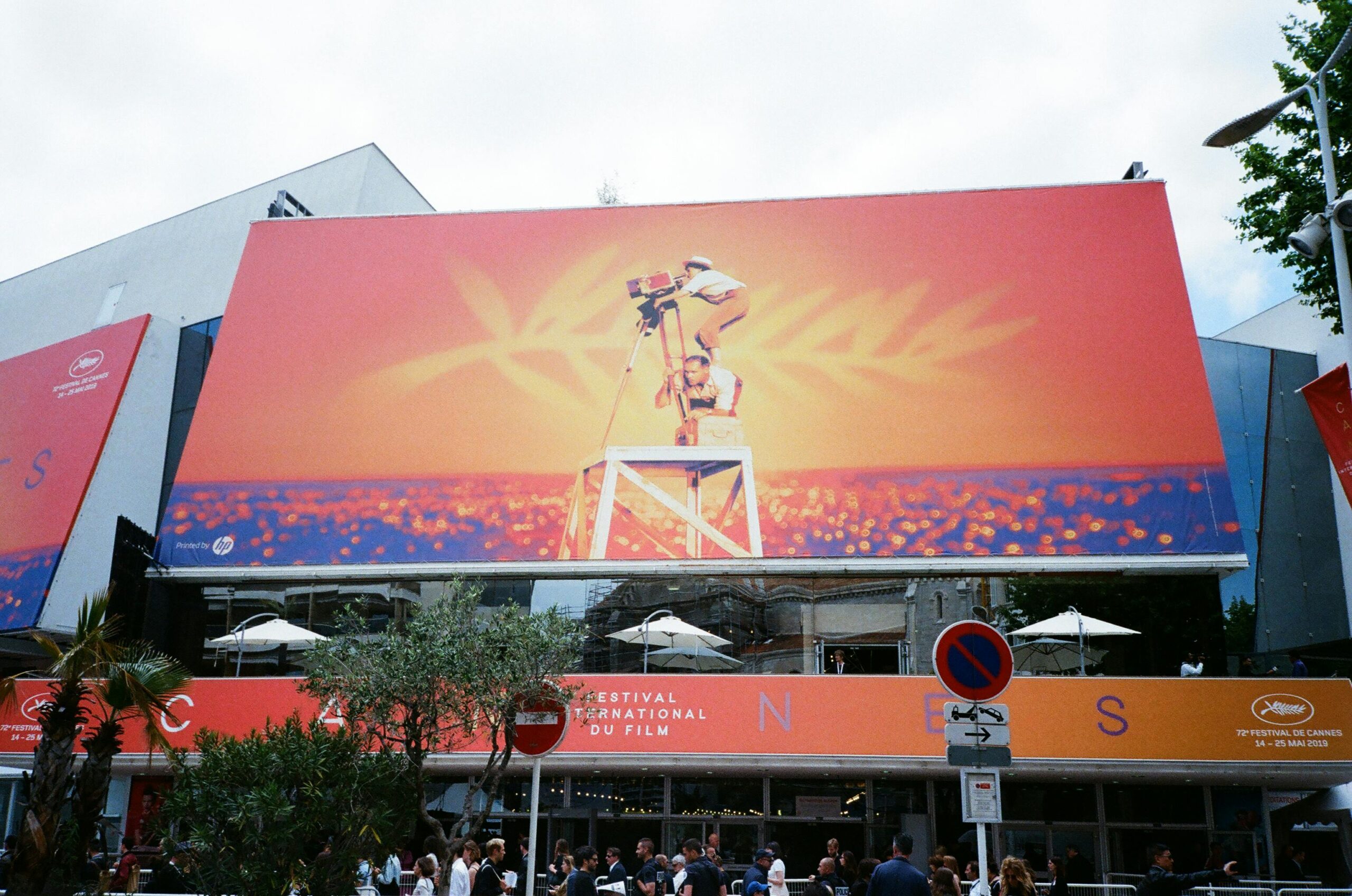
Introduction
The Busan International Film Festival (BIFF) has grown into one of Asia’s most prestigious cinematic events, playing a pivotal role in showcasing Korean cinema’s dynamism and diversity. Since its inception in 1996, BIFF has served as a vibrant platform for both established and emerging Korean filmmakers to present their work to a global audience. This festival not only celebrates the artistic excellence of Korean films but also drives the country’s film industry forward through international recognition, industry networking, and cultural exchange. In this article, we will explore how BIFF highlights the evolution of Korean cinema, introduces innovative storytelling, nurtures new talent, influences global film markets, and reinforces South Korea’s cultural identity on the cinematic stage.
The Evolution of Korean Cinema Through BIFF
Over the past two decades, BIFF has been instrumental in reflecting and propelling the evolution of Korean cinema. From early genre films to contemporary masterpieces, the festival chronicles the changing tastes and artistic ambitions of Korean filmmakers. In the 1990s and early 2000s, Korean films began gaining critical acclaim for their originality and technical prowess, with BIFF acting as a launchpad for landmark films that later achieved international success. The festival’s focus on a wide range of genres—from socially conscious dramas to bold experimental films—has helped document the maturity of Korean cinema as it matured into a globally respected powerhouse.
Showcasing Innovations in Storytelling and Genre
One of BIFF’s defining characteristics is its commitment to spotlighting innovation in cinematic storytelling and genre experimentation. Korean filmmakers are known for blending genres in unique ways—mixing thriller, romance, horror, and social commentary—that challenge conventional narratives. BIFF provides a critical space where these creative risks receive recognition, encouraging filmmakers to break away from traditional formulas. The festival’s programming often highlights films that push boundaries, such as those employing non-linear narrative structures, visually striking cinematography, or themes that address Korea’s rapid modernization and social issues.
Nurturing Emerging Talent and Industry Collaboration
BIFF functions as a vital incubator for emerging Korean directors, writers, and producers. The festival’s support programs, such as the Asian Project Market and the Asian Cinema Fund, empower new voices by providing funding opportunities, mentorship, and access to international film markets. This collaborative environment fosters cross-border partnerships and co-productions that elevate Korean cinema’s reach and influence. Through these initiatives, BIFF helps ensure a steady pipeline of fresh talent who carry forward the legacy of artistic innovation and global engagement.
BIFF’s Role in Promoting Korean Films on the Global Stage
The international visibility BIFF offers Korean films has bolstered their success beyond domestic borders. Films premiering at the festival often secure global distribution deals, participate in other international festivals, and garner critical acclaim worldwide. This exposure has contributed to the so-called “Korean Wave” or Hallyu, where Korean culture—including cinema—has garnered enthusiastic global audiences. BIFF’s strategic positioning in Asia enables it to act as a gateway for Korean films into markets across Europe, North America, and the rest of Asia, helping solidify Korea’s cultural presence internationally.
Strengthening South Korea’s Cultural Identity Through Cinema
Finally, BIFF highlights how Korean cinema serves as an essential medium for exploring and expressing South Korea’s complex cultural identity. Films showcased at the festival often probe historical events, contemporary social issues, and the evolving values of Korean society. This cultural introspection invites both domestic and international viewers to engage with Korea’s unique narratives and realities. BIFF thus transcends a mere film exhibition to become a cultural forum where Korean stories—rooted in tradition yet forward-looking—are amplified on the world stage.
By celebrating the artistic strides and cultural richness of Korean cinema, the Busan International Film Festival remains a cornerstone of Asia’s film landscape. Through its dedication to fostering innovation, supporting emerging artists, and connecting Korean filmmakers with global audiences, BIFF not only underscores the creative vitality of Korea’s film industry but also ensures its continued impact worldwide. This festival exemplifies how cinema can be a powerful vehicle for cultural dialogue, economic growth, and artistic inspiration, securing Korea’s place as a major player in the international film community.